Source Passive Polarized 3D Glasses for Cinemas, TVs, and Outdoor Use
Compare 30 listings for passive polarized 3D glasses suitable for cinemas, home theaters, and outdoor viewing. Buyers can evaluate customization options, materials like TAC and ABS, and specifications such as lens thickness and crosstalk levels from suppliers in China.
Key considerations
Products List


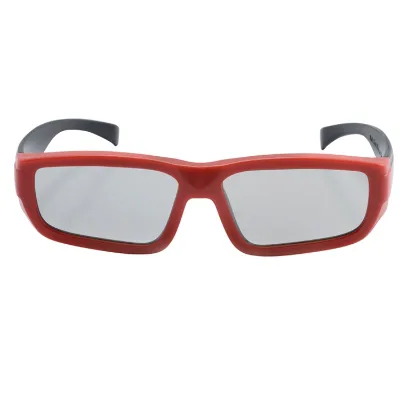


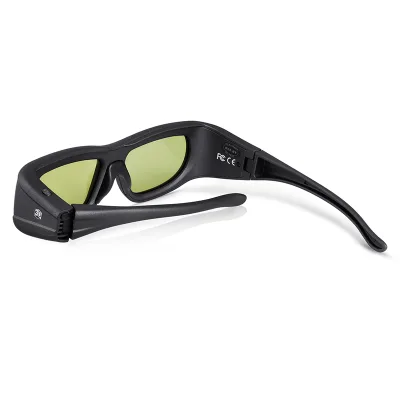
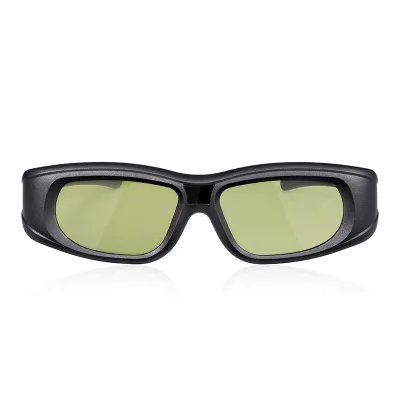


Comprehensive Sourcing Guide
Passive Polarized 3D Glasses Sourcing Guide
Sourcing passive polarized 3D glasses requires a clear understanding of the optical technologies that enable stereoscopic viewing in commercial and consumer environments. These glasses typically rely on linear or circular polarization filters to separate left and right eye images, ensuring that each eye receives only the intended visual data. This technology is widely used in cinemas, passive 3D televisions, and specialized display applications where high refresh rates are not required, unlike active shutter systems. Buyers must distinguish between these passive solutions and other smart eyewear options that may share similar form factors but serve entirely different functions, such as Bluetooth-enabled audio glasses or camera-integrated smart devices.
The procurement landscape for these items is diverse, ranging from basic disposable frames for single-use events to durable, customized eyewear for long-term commercial deployment. Suppliers often offer extensive customization options, including logo printing, custom packaging, and tailored frame materials. It is crucial for buyers to verify the specific polarization type—linear versus circular—required by their display systems, as mismatched technology will result in poor image quality or complete loss of the 3D effect. Additionally, buyers should be aware that some listings may conflate passive 3D glasses with other optical products, necessitating careful scrutiny of product models and material specifications to ensure the correct item is procured.
Product Scope and Observed Listing Signals
The market for passive polarized 3D glasses includes a variety of product models designed for different use cases, such as daily use, outdoor applications, and specific cinema environments. Observed listings indicate models like "Daily use-2398D" and "Daily use-790D," which suggest a focus on general consumer or event-based usage. Other models, such as "GTADR" and "LS34LP," may represent specialized variants with distinct optical properties or frame designs. Buyers should note that some product titles or descriptions might include terms like "Smart Glasses" or "Camera Sunglasses," which are fundamentally different products featuring Bluetooth, WiFi, or video recording capabilities. These items should not be confused with passive polarized 3D glasses, which lack electronic components and rely solely on optical filters.
Material composition is a key differentiator among available products, with frames commonly constructed from ABS plastic or composite materials. Lens materials often include TAC (Triacetate Cellulose), which is known for its clarity and durability in passive 3D applications. The lens thickness is typically around 0.4mm, providing a balance between optical performance and lightweight comfort. Packaging options vary from carton packing to customized solutions, allowing buyers to align logistics with their distribution needs. Some suppliers offer middle packaging or single-item selling units, which can impact handling and storage efficiency. Buyers must carefully review the "Type" and "Application" fields to ensure the product is intended for passive 3D viewing rather than other household sundries or communication devices.
Technical Specifications to Verify
Optical performance is the most critical technical aspect of passive polarized 3D glasses, directly influencing the viewer's experience. Key parameters to verify include crosstalk levels, which measure the leakage of one eye's image into the other. Lower crosstalk values, such as those observed at or below 1.3%, indicate higher image separation and better 3D depth perception. Buyers should also check the optics specifications, including compensation thickness, transmittance rates, and polarization type. For instance, a transmittance of 43.5% and specific polarization characteristics like "Polarized E" are indicative of high-quality optical filters. These metrics ensure that the glasses provide a bright, clear image without excessive dimming or ghosting effects.
Frame design and ergonomics are equally important for user comfort, especially during extended viewing sessions. The style of the glasses may be tailored for specific demographics, such as near-sighted individuals, requiring compatibility with prescription lenses. The single package size and gross weight are essential for logistics planning, with typical dimensions around 15x4x4 cm and a weight of approximately 0.030 kg per unit. Buyers should confirm the molding temperature range for plastic frames, typically between 230-320 degrees, as this affects the durability and finish of the product. Additionally, the usage compatibility must be verified to ensure the glasses work with the intended display technology, whether it is for cinemas, passive 3D TVs, or other specialized screens.
Compliance and Safety Documentation
While specific certification statuses may vary by supplier and region, buyers must ensure that all products meet relevant safety and quality standards for optical devices. In China, where many of these products originate, compliance with national standards for plastic eyewear and optical lenses is essential. Buyers should request documentation that verifies the materials used, such as ABS plastic and TAC lenses, are free from harmful substances like BPA or heavy metals. This is particularly important for products intended for consumer use, where skin contact and prolonged exposure are common. Suppliers should be able to provide material safety data sheets or test reports that confirm the non-toxic nature of the components.
Packaging and labeling must also adhere to regulatory requirements, including accurate product descriptions, country of origin markings, and safety warnings if applicable. The place of origin, often listed as Guangdong, China, or specifically Foshan, Guangdong, should be clearly stated on the product or packaging. Buyers should verify that the labeling includes the model number, brand name, and any relevant usage instructions to prevent misuse. For products intended for export, compliance with destination market regulations, such as CE marking in Europe or FCC requirements for any electronic components (if mistakenly included), is necessary. Ensuring that the supplier provides complete and accurate documentation helps mitigate legal and reputational risks associated with non-compliant products.
Cost Drivers and Commercial Terms
The cost of passive polarized 3D glasses is influenced by several factors, including material quality, customization level, and order volume. Observed price ranges can vary significantly, from low-cost basic models to higher-priced customized options. The minimum order quantity (MOQ) is another critical commercial term, with observed ranges spanning from 1 to 8000 units. Lower MOQs may be suitable for small-scale testing or niche markets, while higher volumes typically offer better unit pricing. Buyers should negotiate terms that align with their inventory strategy, considering storage costs and demand forecasts. Customization options, such as logo printing or custom packaging, may incur additional fees, which should be factored into the total cost analysis.
Payment terms and lead times are essential components of the commercial agreement. Suppliers may offer various payment methods, such as T/T or L/C, depending on the order size and relationship history. Lead times can vary based on the complexity of the order, with customized products requiring more time for production and quality control. Buyers should establish clear expectations regarding delivery schedules and penalties for delays. Additionally, shipping costs and Incoterms should be clarified to determine the final landed cost. Understanding these commercial dynamics allows buyers to optimize their procurement strategy and maintain healthy supplier relationships.
Supplier Qualification and Quality Control
Selecting a reliable supplier is crucial for ensuring consistent product quality and timely delivery. Buyers should verify the supplier's manufacturing capabilities, including their production capacity and quality control processes. Suppliers with OEM experience, as indicated by some listings, are often better equipped to handle customized orders and maintain strict quality standards. It is advisable to request samples before placing large orders to evaluate the optical performance, frame durability, and overall finish of the product. Buyers should also check the supplier's reputation and history in the industry, looking for reviews or references from other clients.
Quality control measures should be implemented throughout the production process, from raw material inspection to final packaging. Buyers should define clear acceptance criteria for key attributes, such as crosstalk levels, lens clarity, and frame integrity. Random sampling and statistical process control can help identify defects early and prevent large-scale issues. Suppliers should be willing to provide quality reports or certificates of conformity for each batch. Establishing a robust quality control protocol ensures that the procured glasses meet the required specifications and perform reliably in the field.
Long-Term Procurement Checks
Maintaining a stable supply chain for passive polarized 3D glasses requires ongoing monitoring and relationship management. Buyers should regularly review supplier performance metrics, including on-time delivery rates, product quality consistency, and responsiveness to issues. Periodic audits or site visits can provide insights into the supplier's operational practices and help identify potential risks. Building a strong partnership with the supplier can lead to better pricing, priority production, and collaborative innovation. Buyers should also stay informed about market trends and technological advancements in 3D display technology to ensure their procurement strategy remains relevant.
Continuous improvement in product specifications and supplier capabilities is essential for long-term success. Buyers should provide feedback to suppliers based on end-user experiences and market demands, fostering a cycle of improvement. Regularly updating quality standards and inspection protocols helps maintain high product integrity. Additionally, diversifying the supplier base can mitigate risks associated with single-source dependencies. By proactively managing these aspects, buyers can ensure a reliable supply of high-quality passive polarized 3D glasses that meet their evolving business needs.
FAQs
Can I customize the color and logo for passive polarized 3d glasses?
Yes, customization is available for color and logo printing on these glasses. The product supports custom colors and offers logo supply services to meet specific branding needs for bulk orders.
What materials are used to make these passive polarized 3d glasses?
These glasses are constructed from composite materials, plastic, and ABS plastic frames. The lenses specifically utilize TAC material to ensure durability and optical clarity for daily use applications.
Which specifications define the lens quality for these 3d glasses?
The lenses feature a thickness of 0.4mm with a crosstalk level of 1.3% or less. They offer compensation of 125nm and a transmittance rate of 43.5% for optimal viewing performance.
How can I source these glasses with specific packaging requirements?
You can request customized packing or standard carton packing for these items. The single package size is 15x4x4 cm with a gross weight of 0.030 kg per unit for efficient shipping.
What is the origin location for manufacturing these passive polarized 3d glasses?
The products originate from China, specifically from Foshan, Guangdong. This location serves as the primary place of origin for the manufacturing and supply of these optical accessories.
Can these glasses be used for outdoor activities or specific TV types?
Yes, they are designed for outdoor use and compatible with cinemas and passive 3D TVs. They also support usage for living room, bedroom, and hotel televisions requiring passive 3D technology.